You don’t always have to be a racist.
I want to tell you a story about a pot, or a vase. It’s a beautiful vase, a gorgeous dark wood with unique texture that evokes mystery and intrigue, what could produce such an object? This story is about the vase, or rather its origin species, and also about the way human beings can change. It’s about learning empathy in small steps, very small, but still, learning.
I just finished co-facilitating a racial reconciliation workgroup using the curriculum of Be The Bridge with my sister Mary, and part of the practice is to bring a centering piece for the group, something that reminds us what we’re about, something with a story for each of us. So I bought this vase along, it’s a special item, something my parents gave me when I emigrated from Australia to the USA, a uniquely Australian jewel of sorts. This guy right here:
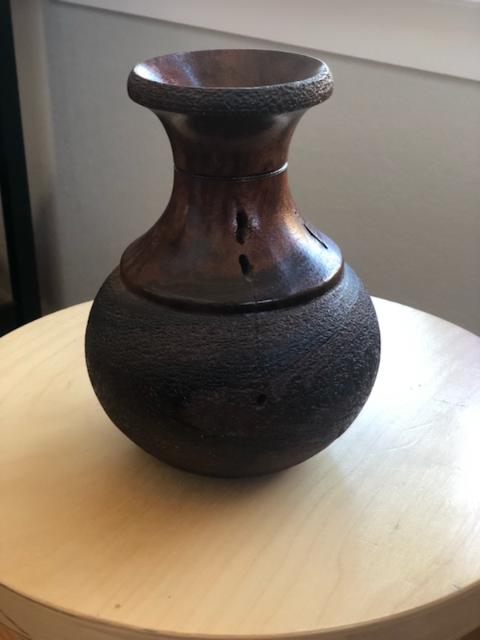
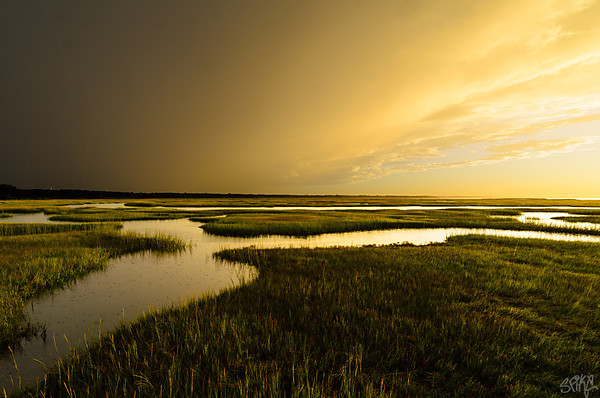
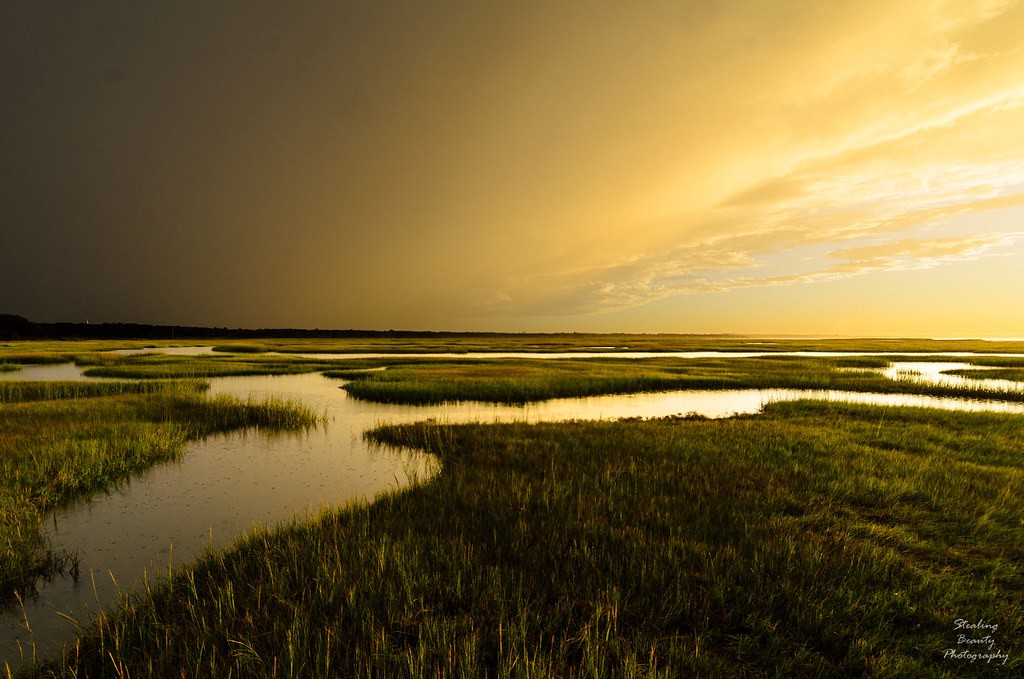
So to the story, this vase is made of the wood of the Xanthorrhoea plant, for all my childhood this was know to me as a Black Boy, you get the sense of that origin from the picture below, just. It reminded white settlers of a small black boy carrying a spear, so the story goes.

It may be a bit of a shock to hear that as a child I hunted with a spear, with indigenous friends in the remote town I grew up in, I was terrible at it, but that was part of my childhood, hunting with black boys. And not once did the plant’s name register as a problem.
In my teenage years I’d moved to the city, moved again and got work as a surveyor while studying for that profession, and worked remote a lot, seeing many thousands of these spectacular plants. It was about then that society started to tell me that “Black Boy” is a racist name and we should all be calling these plants by their other names; Grass Trees. Or if you’re in the west, Balga. Now, Balga is the indigenous people’s name for these plants, and they are an eminently useful plant, you can even make booze from them, and Grass Tree was seen as a very PC term to most Australians, even to me.
Guess what? That’s the power of white supremacy, and as Toni Morrison taught us, the power of labeling is a tool of the oppressor, and when the oppressed push back and take the power of naming themselves and things around them, those in power get mad, and defensive.
Reflecting now on my process of change, I went from a posture of anger that this was “a stupid idea and I don’t have to care about it”, to “I guess if folks say it’s offensive maybe I should try” to “that’s a racist name, don’t use that, call it a Grass Tree for fucks sake, how hard can it be?” in the space of about 5 years. In part this was the racism all white people have been taught to internalize, in part I was a rebellious young adult hating to be told what to do by others, in part I had taken up a life in the big city (big-ish) that was far removed from healthy interactions with my indigenous brothers and sisters that shaped me as a child. And distance may breed fondness in relationships, but separation from, isolation from other peoples does not work in the same romantic way, it enables us to grow colder, less human towards each other.
What has this to do with the world in which I now live? One one hand, it teaches us that reasonable, good-willed people often take time to see the error of their ways, understand their mistakes and push through ego and fear and pride, especially pride. So when we talk with white people about racism and white supremacy, we should expect many of their layers of bias and fear and hate will take years to work through, that’s not an excuse, it’s being real, this stuff is heart work, and it’s slow.
It also teaches us that despite “having black friends” or whatever your gig is, you aren’t magically shielded from being racist, and having racist views or deep implicit bias. None of us are immune from the insidious power of a society locked in captivity by white supremacy ideology. The next time you, as a white person, go to deflect a suggestion that your shit isn’t rose smelling, remember that yes, you have racism to work out in yourself, as woke as you may be.
I share this story also to remind myself that as an anti-racist activist and leader (small L), my past isn’t shiny, I’ve done stupid stuff, and I’ve hurt people in my past, despite my best intentions. And so have all of us, but to put off working on our internal racism only leaves us captive to it, enslaved to ideas of supremacy that hold us and our communities back from Dr King’s vision of a truly beloved community. Evangelicals, we have work to do. Can we start? Yes?
What can you do to start? Maybe read some new books, or join the Be the Bridge community online and participate in their workshops to learn about yourself and to fight against the status quo of Christian’s being complicit which this system of oppression.
More on the naming of this tree?
 Steve Spiker